
New Eyes Las Vegas
Pterygium Surgery in Southern Nevada
A pterygium is an abnormal growth of tissue that can spread over the cornea, causing irritation and distorted vision. Our corneal specialists offer treatment options to control its effects and protect your sight.
- Trusted by patients across Southern Nevada for corneal care
- Graft technique used to help reduce the chance of regrowth
- Usually covered by insurance as a medical procedure
Symptoms
Am I a Candidate for Pterygium Surgery?
If you're noticing any of these changes, it may be time for an evaluation.
Reduced or Distorted Vision
Growth extending onto the cornea can blur or warp your sight.
Excessive Tearing
Ongoing irritation that leads to watery eyes.
Redness & Discoloration
Visible pink or fleshy tissue on the surface of the eye.
Persistent Irritation
A gritty or uncomfortable feeling that doesn't go away.
Astigmatism
Corneal changes that affect the eye's ability to focus.
Cosmetic Changes
Visible tissue growth that affects the appearance of the eye.
When to consider treatment: Small pterygia causing only mild irritation can often be managed with eye drops or ointments. When the growth starts affecting your vision or causes ongoing discomfort, surgical removal may be the better path forward.
About the Procedure
What is Pterygium Surgery?
Pterygium surgery removes the abnormal tissue growth from the surface of the eye. It’s often linked to years of UV exposure or dry, dusty environments, which is why it’s more common in people who spend a lot of time outdoors or in tropical climates.
Once the growth is removed, your surgeon places a small graft over the treated area. This step is key. Pterygium has a naturally high recurrence rate, and the graft is what helps reduce the chance it grows back.
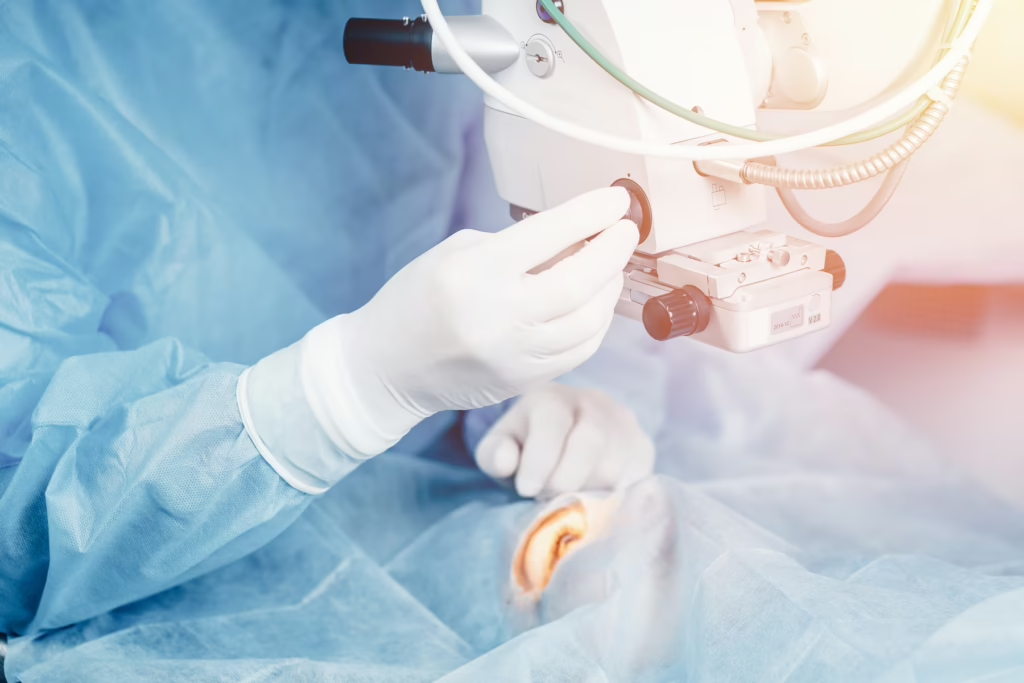
The procedure is minimally invasive and performed under light sedation, so you’ll need someone to drive you home afterward.
What Causes Pterygium of the Eye?
Pterygium is believed to be a result of excessive exposure to the UV rays of the sun during childhood. Dry and dusty environmental conditions may also contribute to the development of the condition. Pterygium is typically more common in people who spend a lot of time in tropical climates and those who are out in the sun for extended periods.
What Does Pterygium Removal Surgery Involve?
Pterygium removal surgery is a minimally invasive procedure that can often be completed in about 30-45 minutes, but since you will be lightly sedated during the procedure, you will need to arrange transportation to and from surgery. Your eye surgeon will provide you with personalized instructions to help you prepare for surgery. Some patients may be asked to refrain from contact lens use for at least 24 hours before the procedure.
Once the pterygium has been surgically removed, a graft is carefully placed in the affected area to help minimize the chance of regrowth.
It is important to realize that this condition has a high recurrence rate and by using the latest surgical techniques we can optimize the outcomes, but not completely eliminate the possibility of recurrence.
The risk of future eye irritation can also be reduced by wearing adequate protection from the sun and from excessive dust and wind.
Your Options
Choose the Right Treatment Path
How far the growth has progressed determines whether medication or surgery is the better fit.
For Mild Cases
Nonsurgical Treatment
- Eye drops, ointments, or steroid drops
- Best for small pterygia with minor irritation
- No effect on vision at this stage
- Requires ongoing monitoring for progression
For Advanced Cases
Surgical Removal
- Recommended when vision is affected or irritation becomes debilitating
- Growth is removed and a graft is placed to help prevent regrowth
- Performed as a quick, minimally invasive outpatient procedure
- Cannot fully eliminate the chance of recurrence, even with modern techniques
The Process
Your Pterygium Surgery Journey
From evaluation to long-term care, here's what to expect.
Evaluation Appointment
- Comprehensive eye exam
- Assessment of vision impact and irritation
- Review of overall eye health, since conditions like glaucoma or dry eye can affect candidacy
- Discussion of nonsurgical vs. surgical options
Surgery Day
- Procedure typically takes 30–45 minutes
- Light sedation used for comfort
- Graft placed over the treated area to help prevent regrowth
- Transportation home required
Recovery
- Eye patch worn for a few hours after surgery
- Post-operative visit scheduled for the next day
- Mild discomfort managed with medication and ice packs
- Most patients return to work and exercise within about a week
Long-Term Care
- Sunglasses and UV protection to reduce recurrence risk
- Artificial tears to keep the eyes moisturized
- Ongoing monitoring, since regrowth is possible even after successful surgery
Results
Expected Outcomes & Recovery
Pterygium surgery can relieve irritation and restore clearer vision, though it's worth understanding the condition's tendency to return.
Quick Procedure
Surgery is typically completed in 30–45 minutes.
Symptom Relief
Reduced irritation, tearing, and discomfort once healing is complete.
Fast Return to Routine
Most patients resume work and exercise within about a week.
Recurrence Awareness
Modern surgical techniques reduce, but don't eliminate, the chance of the growth returning.
What Patients Can Expect in Recovery
- An eye patch worn for the first few hours
- A follow-up visit the day after surgery
- Mild discomfort or swelling, manageable with medication and ice
- Any visible scarring typically fades and becomes unnoticeable over time
- Sun and dust protection recommended to lower recurrence risk
Pterygium Surgery
Frequently Asked Questions
What's the difference between a pterygium and a pinguecula?
Both conditions tend to appear near the corner of the eye and share similar causes, but a pinguecula doesn’t grow onto the cornea the way a pterygium can. A pinguecula often looks like a creamy or yellow spot and is usually treatable with eye drops, while a pterygium is fleshy and wedge-shaped and may require surgery.
What can I do to prevent pterygium from coming back?
Limiting time in dry, dusty environments, wearing sunglasses to block UV exposure, and using artificial tears can all help reduce the risk of recurrence, though it can’t be eliminated entirely.
Does pterygium surgery leave a scar?
Any visible scarring typically fades and becomes hard to notice once healing is complete. Healing time varies by patient, and your doctor can give you a more personalized outlook after an evaluation.
Ready to Get Started?
Schedule A Consultation
If you're ready to experience exceptional eye care, contact us today to schedule your evaluation at any of our Southern Nevada locations.